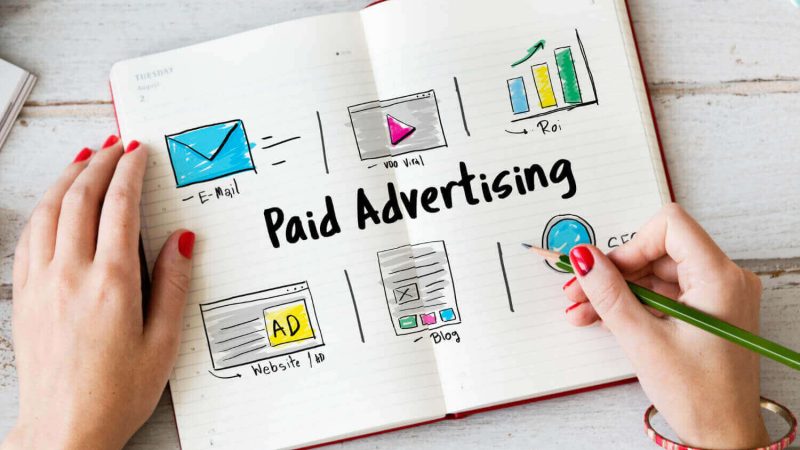
How to Run a Profitable PPC Campaign

Running a profitable PPC campaign is not about pressing a few buttons and hoping customers show up. It is a balance of strategy and understanding what makes people click. Many businesses choose paid advertising because they believe it will be quick but quick does not always mean lucrative. What actually produces outcomes is a well-defined plan with realistic expectations. The following is an easy procedure to creating a PPC campaign that can assist your business expand rather than deplete your budget.
Run a Profitable PPC Campaign
1. Define What You Want to Achieve
One of the biggest mistakes people make with PPC is launching ads without a clear purpose. The platform asks you for an objective and most people just select something quickly and move on. But your entire campaign direction depends on this choice.
Ask yourself
- Do you want sales today?
- Are you trying to gather leads?
- Do you want traffic so people discover your brand?
- Are you promoting a seasonal offer?
Each goal needs a different setup. A lead generation campaign might prioritize capturing email signups at the lowest cost while an ecommerce campaign focuses on return on ad spend. Starting without a defined goal is like renting a billboard without knowing what you are selling. Clarity at this stage prevents wasted money later.
2. Choose Keywords That Match Real Buying Intent
Keyword research is where profitability starts. You don’t need dozens of complicated spreadsheets or expensive tools, but you do need to understand what your audience searches when they’re close to making a decision.
There are three main types of keyword intent:
- Research intent: People looking for information (“how to fix…”).
- Comparison intent: People weighing options (“best,” “top,” “review”).
- Buying intent: People ready to act (“buy,” “near me,” “price”).
If your goal is profitability then lean heavily toward comparison and buying-intent keywords. They usually cost more per click but they bring users who are further along in the decision process. A long list of vague keywords might get you clicks but a smaller list of high-intent ones gets you results.
Use long-tail phrases too. They are less competitive, more specific and often bring in customers instead of browsers.
3. Write Ad Copy That Sounds Like a Person and Not an Algorithm
Good ad copy does not try to sound perfect. It tries to sound relatable. People scroll through so many ads every day that anything stiff or robotic or overly polished blends into the background.
In addition to crafting interesting ad wording, employing proxies can help you optimise your PPC campaigns. Proxies can let you test and analyse ad performance across many places and devices and they also collect data and validate ad placement. It is important to use proxies from a reputable and secure proxy list to avoid compromising your campaigns performance and security.
Here is how to make your ad copy more appealing:
- Speak directly to the user’s problem.
- Highlight one thing you do better than others.
- Make your CTA simple and intentional.
- Match the language of the keyword.
A headline like “Custom Home Cleaning – Book Today” is clearer and more helpful than “High-Quality Cleaning Solutions for Domestic Environments.” The latter may sound fancy but it does not connect with real people searching for quick help.
The more natural your ad reads the better your click-through rate and the cheaper your costs will be.
4. Clean Up Your Landing Page Before You Send Traffic
A profitable PPC campaign depends just as much on your landing page as on your ads. You can have the best ad copy in your industry but if your landing page loads slowly or confuses visitors your results will sink quickly.
Focus on these essentials:
- A strong headline that matches your ad.
- One clear action you want the user to take.
- Simple navigation or no navigation at all.
- Fast loading time (people leave after 3–4 seconds).
- Real proof testimonials, photos, case studies, guarantees.
Consider the thinking of someone who clicked your ad. They are curious but uneasy. Your role is to ensure they have arrived at the correct location and that the next step is simple and safe.
5. Pick a Bidding Strategy That Matches Your Budget and Experience
PPC management platforms which make bidding sound more complicated than it needs to be. What matters most is choosing a strategy that aligns with your goal and your comfort level.
Here are straightforward options:
- Manual CPC: You control each bid great for beginners who want to learn.
- Target CPA: Ideal for lead generation once you have conversion data.
- Target ROAS: Best for e-commerce brands that track revenue.
- Maximize Conversions: Useful when you want fast data and don’t mind experimenting.
Start with a manageable daily budget. Once you see which keywords or ads produce actual results you can scale gradually instead of dumping money in all at once.
6. Add Ad Extensions to Increase Visibility Without Paying More
Ad extensions are one of the simplest methods to make your ads larger and more useful without increasing your bid. They provide additional information to potential customers, influencing them to click or perhaps convert directly.
Some useful extensions include
- Sitelinks: Send users to pages like pricing or FAQs or testimonials.
- Call extensions: Perfect for service businesses that close deals over the phone.
- Location extensions: Essential for local shops or clinics.
- Promotion extensions: Highlight discounts or limited time offers.
Even modest improvements in your click through rate can lower your costs and boost your profitability over time.
Also Read: Organic Search Vs. PPC: What’s Right For Your Business?
7. Track Everything Then Use That Data to Make Smart Decisions
Guessing is expensive. Tracking is profitable. Make sure conversion tracking is set up before you launch anything. This allows you to see which keywords produce results which ads attract buyers and which audiences aren’t worth the spend.
Pay attention to metrics like:
- Click-through rate
- Cost per click
- Conversion rate
- Cost per acquisition
- Time on page
This data helps you cut what is not working and double down on what is.
8. Improve and Scale What Works
A profitable PPC campaign is not built overnight. It evolves. Once you identify winning keywords, winning ads and a landing page that converts you can begin to scale. Increase your budget slowly so you do not shock the algorithm. Keep testing new variations as you grow different headlines or different value propositions or even different formats.
The most successful advertisers are not the ones who get it perfect the first time. They are the ones who continue refining until the profits become predictable.
Final Thoughts
A profitable PPC campaign is based on defined objectives and ongoing optimisation. When approached strategically, PPC becomes one of the most effective instruments for consistent and scalable business growth. By following these steps that you will be well on your way to creating campaigns that generate real revenue not just clicks.