The Future of Mobile Payments: Predictions for 2026
If you look back even five or six years, the way we pay for everyday things has changed more than most users expected. What started as a quick alternative to pulling out a wallet has quietly become the normal way many of us shop, travel and send money. And judging by where the technology is heading, mobile payments are only getting started.
As we move toward 2026, the changes won’t just be about new apps or faster transactions. The entire idea of what a “payment” is will start to feel different more automatic, more blended into daily routines, and far less noticeable. Below are some predictions for the Future of Mobile Payments what’s coming based on current trends and where things seem to be heading.
The Future of Mobile Payments: Predictions for 2026
1. Biometrics Will Take Over as the Main Way to Approve Payments
Passwords and PIN codes are hanging on for now, but they’re clearly fading. By 2026, they will likely be used only when something goes wrong, not for everyday purchases. Most of us are already used to unlocking our phones with our faces or fingerprints, so it’s natural that this will become the main way to approve payments too.
But there’s more coming: subtle “behavioral” biometrics. These systems learn the way you swipe, tap, or even how you hold your phone. You don’t notice it happening, yet it adds another layer of protection. It is quiet, automatic security and it feels far more natural than typing numbers on a small screen.
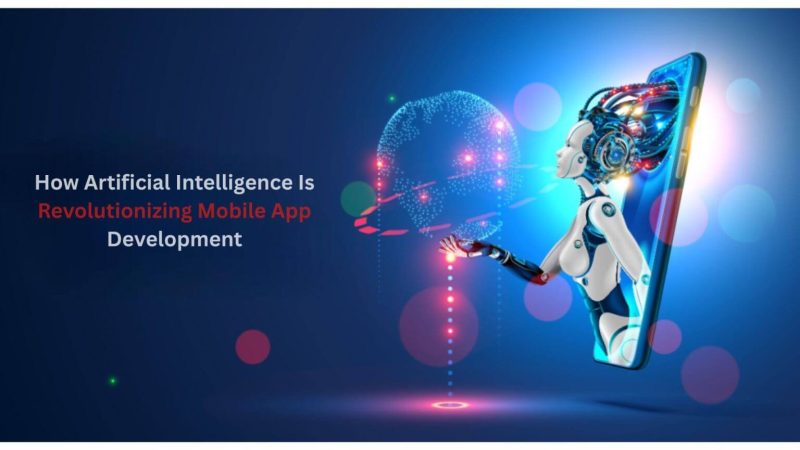
2. AI Will Be Built into Payment Apps in a Much More Personal Way
Today’s apps can show you charts of how you spend money, but the information usually comes after the fact. By 2026, apps will likely behave more like financial sidekicks. Instead of waiting for you to check your balance, they’ll nudge you earlier: “Hey, you are close to overspending want to switch this purchase to your rewards card?” or “Your utility bill is usually lower this time of year; maybe check if something changed.”
These suggestions won’t feel robotic. They will feel like practical tips based on the things you actually do. And because the advice comes in real time, it has a better chance of helping.
For businesses, smarter analytics will help them understand customers faster which allowing them to adjust prices, predict demand or tailor offers without digging through mountains of data.
3. International Payments Will Stop Feeling Complicated
Ask anyone who sends money abroad and they will tell you: hidden fees and slow transfers are still a headache. But by 2026 these problems should ease as tech companies and financial institutions form more global partnerships.
Mobile apps will be able to convert currency instantly with clear upfront rates. Travelers will pay abroad the same way they pay at home simply tap and it is done without worrying if the card will work or what the fee will be. Even online shopping from another country will feel smoother, with automatic conversions and less friction.
4. Super Apps Will Spread Outside Their Original Markets
Asia led the way with super apps platforms that combine messaging, travel, shopping, food delivery and payments all in one place. Other regions have been slower to adopt the concept but by 2026 we will likely see more of these “all-in-one” apps emerging.
It simplifies life: instead of bouncing between five or six different apps, users will have one hub for everything. Payments tie all these services together that becoming the backbone of the entire ecosystem.
This shift does raise questions about data privacy and how much control one company should have but the convenience factor will be difficult for consumers to resist.
5. Small Businesses Will Accept Payments Without Special Devices
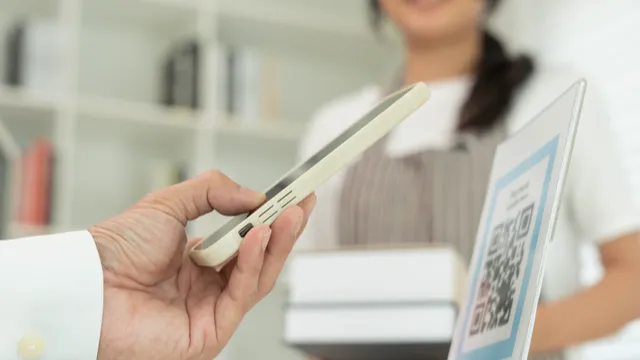
Look at any outdoor market or street vendor today and you ai will still see bulky card readers or QR codes taped to a table. By 2026 many of those setups will disappear. Sellers will simply use their phones as payment terminals. Tap-to-pay will work directly on the device they already own.
This lowers the barrier for small businesses, especially new ones. No expensive hardware, no complicated setup. Just an app, a phone and a customer ready to tap. It also opens doors for entrepreneurs in rural or developing regions who haven’t had easy access to digital payment tools.
Also Read: Why Is Mobile Marketing Extremely Important for Companies?
6. Subscriptions for Everyday Items Will Increase
The subscription trend isn’t slowing down. In fact, it is spilling into ordinary products things like household supplies, food staples, grooming items and even clothing basics. By 2026 many mobile wallets will include built-in subscription management tools to keep all these recurring payments organized.
This will help people avoid accidental subscriptions or forgotten charges. Instead of digging through email confirmations that everything will be in one place with simple “pause” or “cancel” buttons.
For companies, the subscription model adds stable revenue. For consumers, it saves mental energy no need to remember to reorder toothpaste or coffee when it shows up automatically.
7. Payments Will Become Safer Through Decentralized Identity
Security might be the one area where most people underestimate the progress happening behind the scenes. By 2026, tokenization which swaps your real card details for temporary codes will be standard across nearly all payment methods.
At the same time, decentralized identity systems will start giving people more control over their personal information. Instead of storing your full identity everywhere you shop, you will share small bits only when necessary.
This reduces the chances of large-scale data breaches and makes users feel more in control of their digital footprint.
8. Wearable Devices Will Handle a Bigger Share of Payments
Smartwatches already support payments, but adoption is still growing. By 2026, paying with wearables will become much more common. Not just watches rings, bands and even clothing accessories will be able to handle quick taps.
It is the kind of thing people appreciate only after trying it. You are out for a run, you stop for water and instead of digging around for your phone, you just tap your wrist. Simple, quick and convenient.
Final Words
Mobile payments are moving toward a future where paying becomes almost invisible. The process will blend into our daily routines instead of interrupting them. By 2026 between biometrics, AI-driven insights, easier global payments and more flexible options for businesses and consumers also the entire experience will feel more natural and intuitive than it does today.
The biggest sign of progress may be this: we will think about Mobile payments less than ever because they will just work.